Compare Live Dialysis Machine Prices in India (Starting ₹7.20 Lakh)
With over 2.2 lakh new end-stage renal disease (ESRD) patients diagnosed annually in India, establishing a high-efficiency hemodialysis unit is one of the most clinically vital and financially viable healthcare infrastructure investments. However, successful project planning requires navigating clinical engineering requirements beyond just purchasing hemodialysis machines—including specialized two-stage reverse osmosis (RO) water purification systems, automated dialyzer reprocessing stations, emergency resuscitation backup, and uninterrupted supply chains for consumables and dialysate concentrates.
Field Notes from Our Biomedical Engineering Bench
Over 65% of unexpected dialysis center operational downtime does not originate from the dialysis machines themselves, but from two overlooked infrastructure bottlenecks: (1) Substandard RO distribution piping (using standard PVC instead of medical-grade cross-linked PEX or SS316L, leading to biofilm buildup), and (2) Inadequate power conditioning. A standard 5-bed unit requires a minimum 15 kVA online UPS with dedicated isolation transformers because voltage spikes frequently burn out sensitive volumetric ultrafiltration (UF) balancing chambers in premium machines like the Fresenius 4008S and B. Braun Dialog+.
Total CAPEX Breakdown: 3-Bed vs 5-Bed vs 10-Bed Dialysis Center (2026)
Capital expenditure (CAPEX) for a dialysis center in India scales according to bed count, machine brand tier (German/European vs Asian brands), and diagnostic emergency equipment. Below is a realistic procurement budget benchmark:
| Infrastructure Component | 3-Bed Mini Unit | 5-Bed Standard Center | 10-Bed Hospital Department | Procurement Specifications |
|---|---|---|---|---|
| Hemodialysis Machines | ₹21.6L – ₹26.7L | ₹36.0L – ₹44.5L | ₹72.0L – ₹89.0L | Fresenius 4008S (₹8.90L) / B. Braun Dialog+ (₹7.20L) |
| Double Pass RO Water Plant | ₹3.50L (500 LPH) | ₹4.80L (1000 LPH) | ₹7.50L (2000 LPH) | Online endotoxin retention, SS316 pump, UV sanitizer |
| Dialyzer Reprocessing System | ₹1.80L (Single Station) | ₹2.40L (Dual Station) | ₹4.50L (Quad Station) | Automated volume & pressure test (bundle volume verification) |
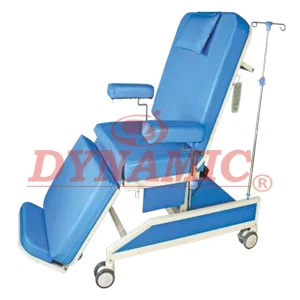
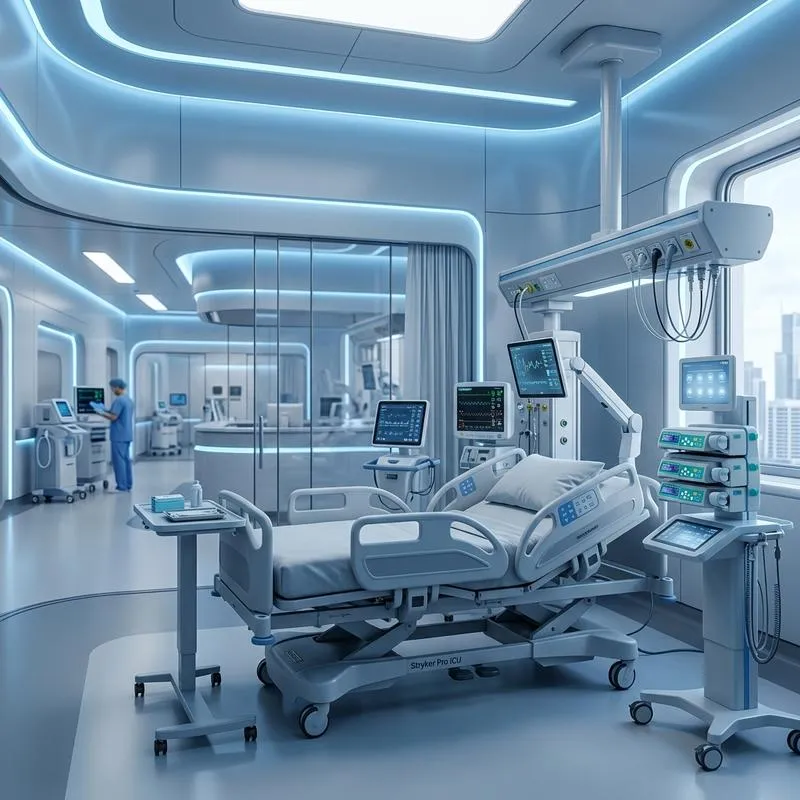
| Dialysis Chairs / ICU Beds | ₹1.26L | ₹2.10L | ₹4.20L | Motorized treatment recliners @ ₹42,000 / Dynamic beds |
| Emergency & Resuscitation Array | ₹2.80L | ₹3.20L | ₹4.80L | Biphasic Defibrillator, Crash Cart, Multipara Monitors, Suction |
| Online UPS & Power Backup | ₹2.20L (10 kVA) | ₹3.50L (15 kVA) | ₹6.20L (30 kVA) | 30-min full load battery backup + Generator changeover |
| Civil & Medical Gas Pipeline | ₹3.00L | ₹4.50L | ₹8.00L | Epoxy flooring, drain manifold, piped O2 & vacuum lines |
| Estimated Total Project CAPEX | ₹36.16L – ₹41.26L | ₹56.50L – ₹65.00L | ₹1.07 Cr – ₹1.24 Cr | Turnkey equipment cost (+ GST) |
Core Machine Selection: Fresenius vs B. Braun vs Bain
Selecting the right dialysis machine fleet determines your center's reputation with consulting nephrologists, consumable operational costs, and technician familiarity:
Fresenius 4008S Next Generation
The benchmark machine across 70% of Indian dialysis suites. Features closed-loop volumetric ultrafiltration control, Online Clearance Monitoring (OCM), and universal compatibility with standard dialyzers.
B. Braun Dialog+ (Version 9)
German engineering with color touchscreen, dual-pump profile, bio-feedback blood volume monitoring (Adimea), and low-cost maintenance. Highly preferred by corporate hospital networks.
Bain DORA-6000
High-reliability Asian platform with high-precision UF balance, sodium/bicarbonate profiling, and rapid local spare-parts availability for high-throughput charitable trust clinics.